

British Motor Heritage and Its Links with The British Motor Museum and The British Motor Industry Heritage Trust
In the Beginning, there was British Leyland
Many car manufacturers attach importance to their heritage and preserving artefacts from their history. Some do it because they perceive strong commercial value in their history, others more for sentimental reasons. Others still, by contrast, attach little importance to their past, preferring, as they see it, to look only to the future.
Fortunately for those who love the many marques and companies that came together to form the British Leyland Motor Corporation in 1968, the majority of those companies held vehicle and archive collections from their past, all of which would need overseeing to safeguard them and continue adding to them in future.
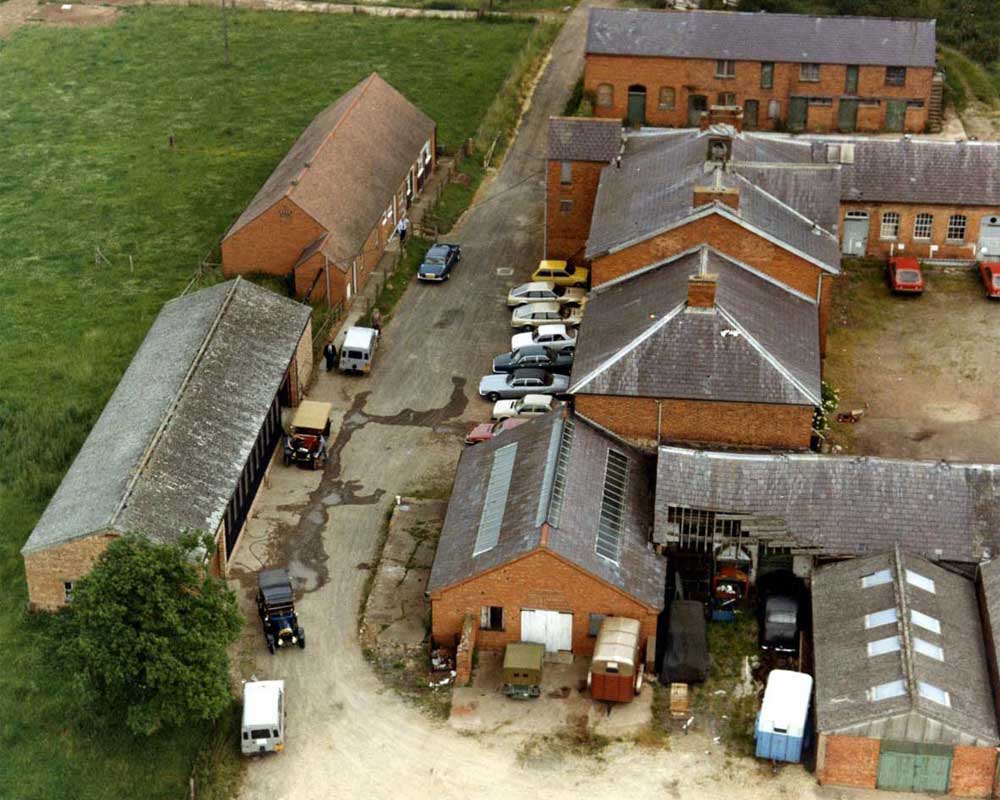
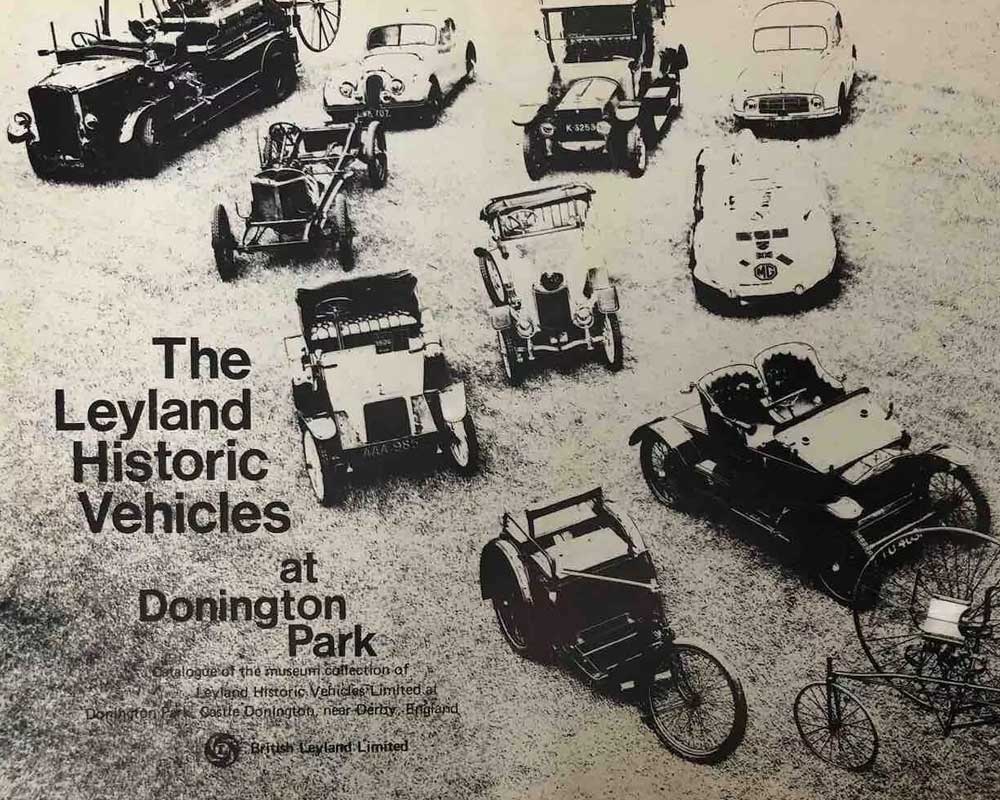
To this end, Leyland Historic Vehicles was created in 1975, becoming BL Heritage Ltd. in 1979. By this time, a collection of outbuildings at the BL owned Studley Castle in Warwickshire had become home to much of the vehicle collection and the archive, with a modest display open to the public at Donington Park. BL Heritage had a new boss, too, Peter Mitchell, who would prove to be hugely influential, particularly over the next 15 years.Under Peter’s leadership a larger display of cars was opened at Syon Park, West London, in 1980, in buildings previously housing the London Transport Museum. Around the same time, the company that was to soon become British Motor Heritage (BMH) was formed. The job of BMH was to sell car parts that BL’s parts organisation regarded as obsolete, through a network of Heritage approved specialists, in the classic car parts marketplace. BMH would also provide a service from the archive and BL’s purchasing records to guide those specialist
The World Leading Heritage Model
Through these classic car parts services by BMH, revenue was created that provided very welcome funding for BL Heritage activities, the vehicle collection and archive. The creation of BMH and the precedent it set worldwide needs to be appreciated. This was the first time that a car manufacturer had identified and acted upon the commercial and publicity benefits of supplying parts for older and classic cars, many (particularly prestige) car manufacturers around the world following and copying the example of BMH over the coming years – including Germany’s BMW.
By 1983, Peter Mitchell had persuaded the BL board to permit the creation of the British Motor Industry Heritage Trust (BMIHT), to take over the collections of the BL car marques from the respective manufacturers, while the equivalent commercial vehicle industry interests were taken on by the British Commercial Vehicle Museum Trust, set up in the industry important county of Lancashire. Recognising the need for a proper, purpose built home for the BMIHT collection, Peter began a search for a suitable site.
At this time BMIHT and BMH received new ‘vintage car within laurel wreath’ logos which, despite having differences, were similar at first glance and still to this day cause some people to stop and think about which organisation they wish to deal with! The similarity does also however serve as a reminder that both organisations were born from the same circumstances and originally served the same end, together.
Something else that was shared between BMIHT and BMH was David Bishop. As assistant managing director of BMIHT and manufacturing director of BMH, David brought new skills and knowledge to BMH from his previous positions in BL’s body engineering division, Pressed Steel Fisher. Up until then, BMH had achieved success in selling classic car parts under the leadership of the charismatic Tim Knott and expanded to become a commissioner of parts production. Under David Bishop, BMH became a manufacturer of parts in its own right.
Exciting Times: BMH Comes of Age, The Trust Gets a New Home
Starting off by making panels and assemblies chiefly for MG and Triumph sports car models of the 1960s and 1970s, under David’s instigation, tremendous drive and enthusiasm, BMH grew into a manufacturer of complete new bodyshells for the classic restoration market, initially for MGB and later for other classic models too. The MGB bodyshell development was made possible by two things: the majority of the original tooling very fortunately still being extant at various factories around the UK and an available pool of very skilled body assembly and finishing workers, many of whom had worked on MGB bodies in factories local to BMH when the car was still in production.
The launch of new MGB bodyshells had two very significant effects. Firstly, in terms of publicity, it well and truly established BMH’s high profile worldwide in the classic car market. Secondly, it made possible the development of a new MG car based on the MGB, to re-launch MG as a sports car brand after over a decade of the badge being applied only to saloons – that new sports car was, of course, the MG RV8, and BMH built all the bodyshells – just under 2000 of them – for the production of that car.
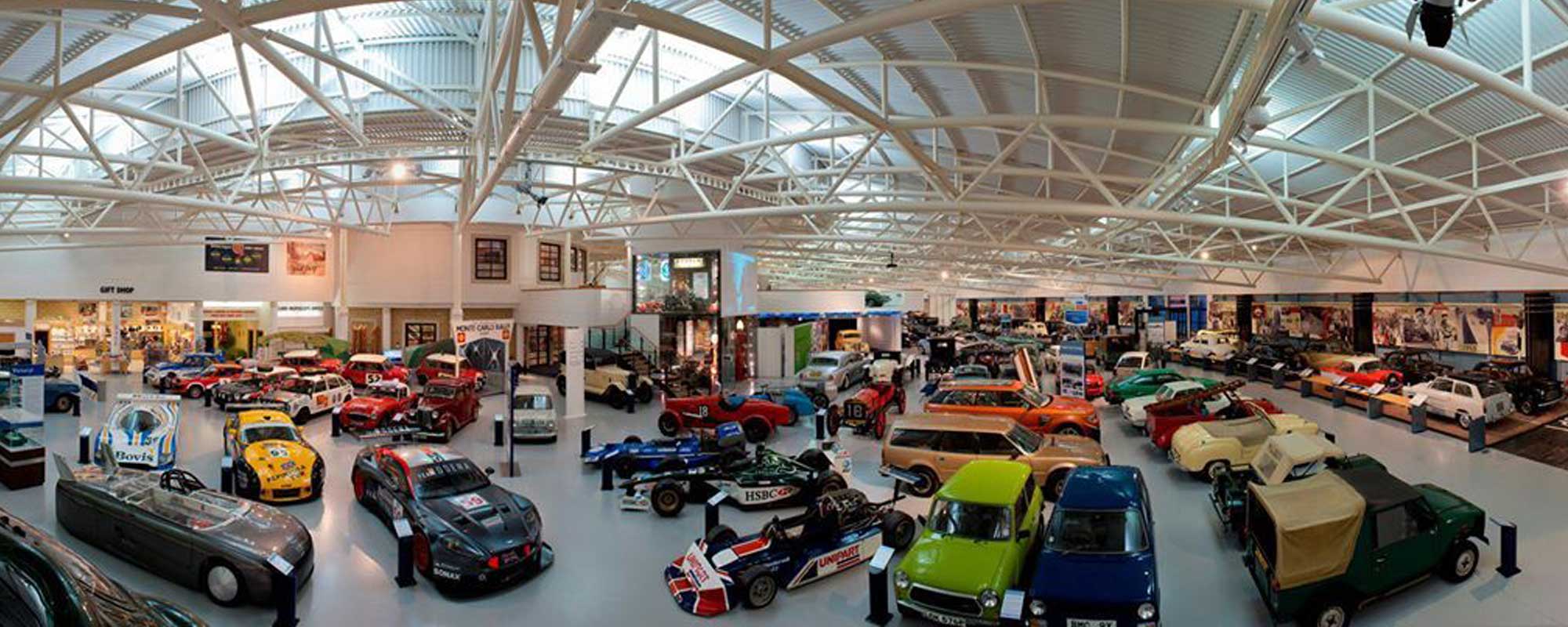
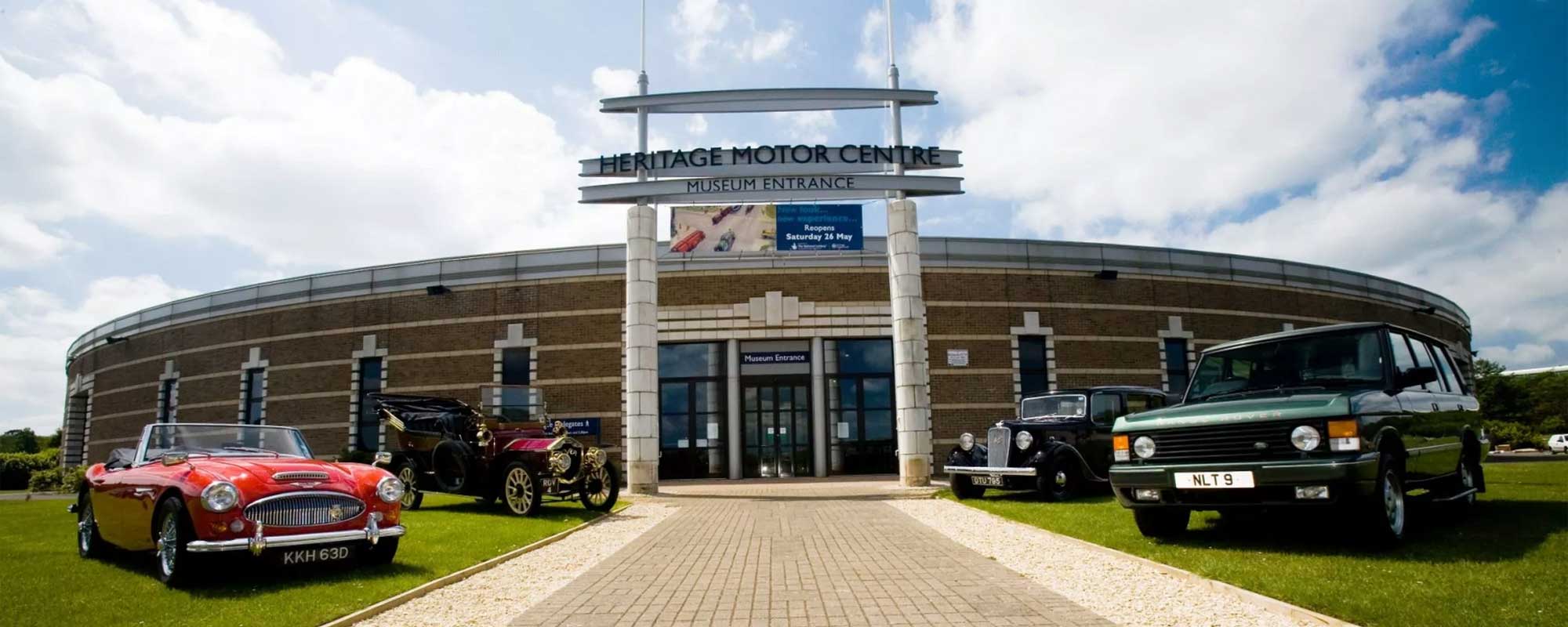
Meanwhile, in 1990, Peter Mitchell and the BMIHT had negotiated for and won approval from the Rover Group board to build the long-desired Heritage Motor Centre (now the British Motor Museum) alongside Rover Group’s engineering and design centre at Gaydon, conveniently next to Junction 12 on the M40 motorway in Warwickshire. Upon its opening in 1993, the Heritage Motor Centre soon established itself as one of the world’s great car museums, with enviable archive and academic facilities to match. It would be a wonderful legacy for its principal champion Peter Mitchell, who retired the following year, though he remained a trustee and later patron of the BMIHT thereafter.
All Change: BMH Gets a New Home Too, and The BMW Years
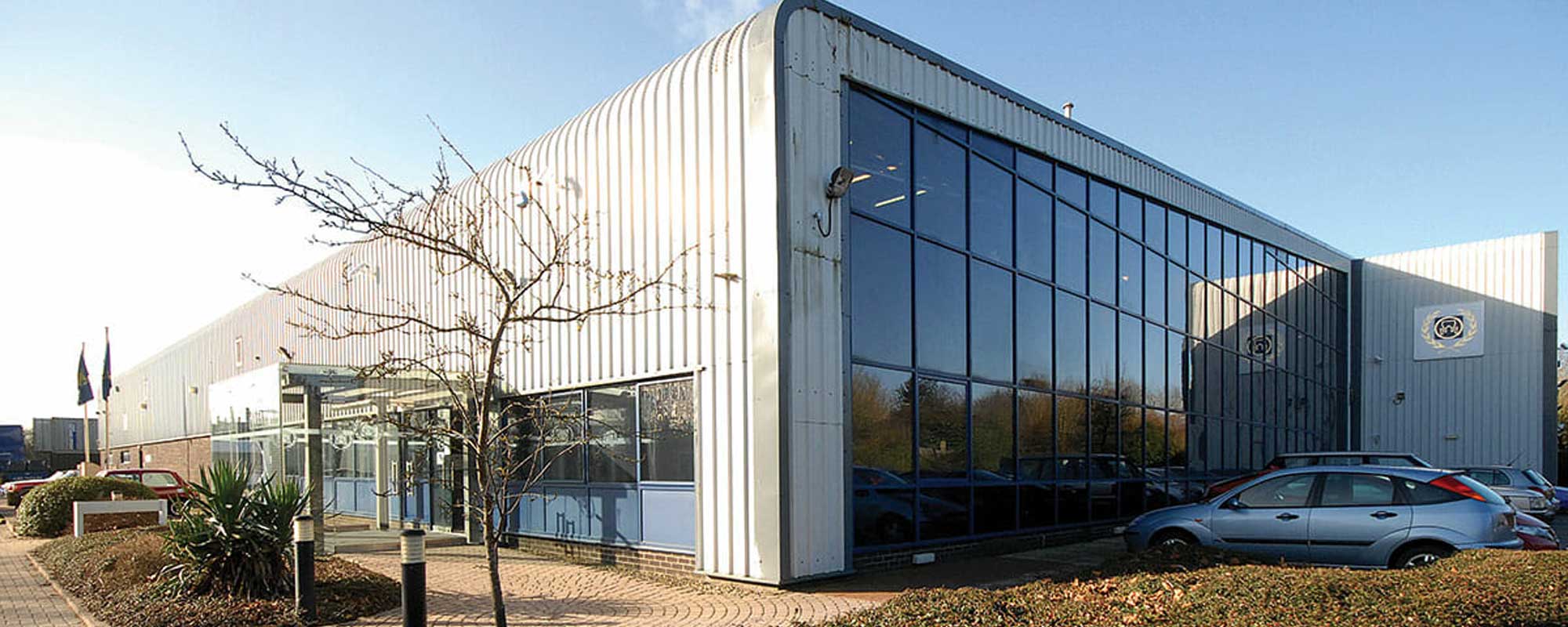
Just a few months later, in January 1994, came the surprise announcement that BMW had bought Rover Group from its previous owners, British Aerospace. The deal included both the Gaydon engineering and design site where the Heritage Motor Centre was situated and British Motor Heritage, then operating from a manufacturing facility in Faringdon (Oxon), storage units near Stratford-upon-Avon, an office in the old museum buildings in Syon Park and a head office at Unipart House, Oxford. David Bishop had long wanted to bring BMH together in one site and to this end the now well known BMH factory at Witney in Oxfordshire was purchased. Around this time, David Bishop retired from BMH – but only for the first time.
The period of BMW ownership brought in big changes within Rover Group and within BMH as well. Under new leadership and changes in strategy, prompted by a particularly short-lived Rover Group board, BMH diversified into new product lines alongside its core classic parts business. Some of them were not successful, for a number of reasons including ‘big company politics’, and the next few years from around the point of BMH moving into the Witney facility in 1996 were not happy or profitable years. A succession of reported losses meant that BMH was no longer able to financially support the BMIHT and the Heritage Motor Centre, and so that historic link between them fell quietly by the wayside. Your author remembers being approached during that period by a retired but still emotionally involved Peter Mitchell, at a classic car show, saying ‘You lot at BMH need to pull your socks up – this isn’t supposed to be how it works!’
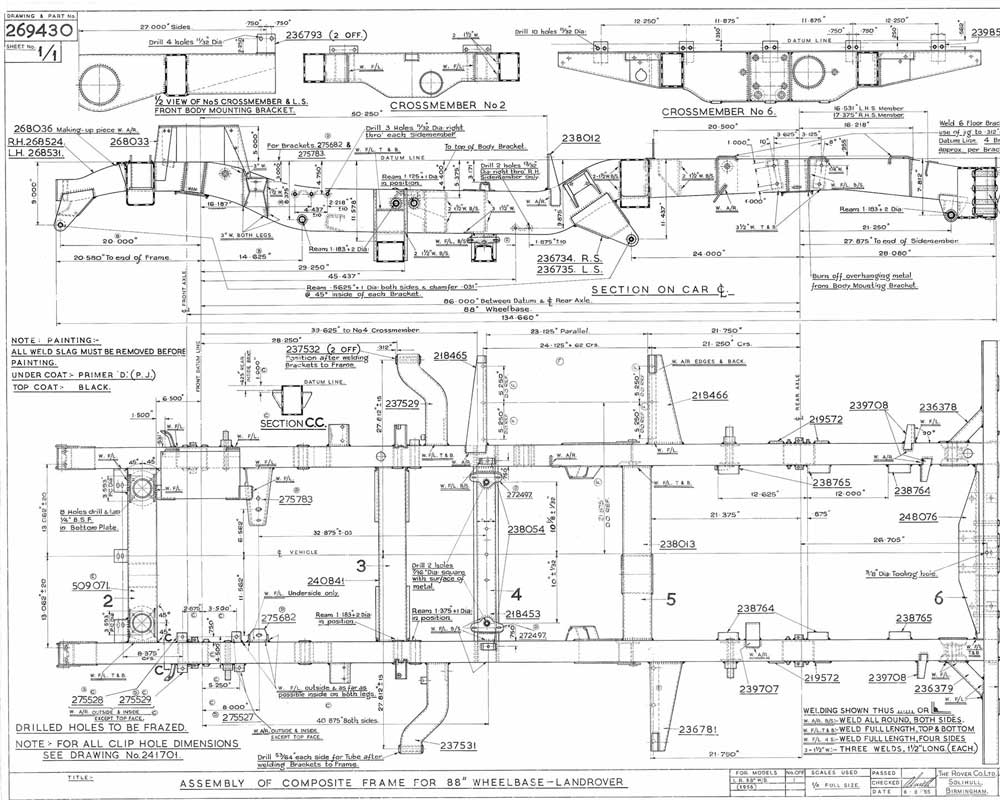
Other significant links between the organisations continued, however. BMH had long been the administrator of the use of the ex-British Leyland brands and logos that fell within the remit of BMIHT, and that continues to this day. Partly to the network of Heritage Approved Specialists, and also following applications for logo use by other commercial entities, BMH approves, licenses and polices use of the revered MG, Triumph, Austin Healey, Mini, Austin, Morris, Wolseley and Rover logos, along with several others. BMH also provided an engineering drawing copying service, again for the Heritage Approved Specialists, providing copies of engineering drawings from the BMIHT archive that greatly assisted the specialists to more accurately manufacture and reintroduce classic car parts to the market.
Goodbye to BMW, and The Big Break Up
Then came the split up of Rover Group in 2000, BMW selling Rover and the Longbridge plant (to become MG Rover) to Phoenix, and selling Land Rover to Ford. BMW kept the Oxford plant, the soon.to.be-launched new Mini, the Swindon Pressings plant, Midlands Engineering Company (Rover Group’s prototyping facility)… and British Motor Heritage. At the time, that caused great difficulties for BMH who were just about to receive the tooling for the classic Mini bodyshell from the Longbridge plant. The MG Rover management at Longbridge, recently cast adrift by BMW, suddenly but understandably weren’t keen on giving up the old Mini to a BMH that was still owned by the German company.
But that wasn’t all when it came to the big break up. BMW sold Land Rover to Ford, to join Jaguar in Ford’s Premier Automotive Group. In the package with Land Rover went the Solihull Factory, the former home of the old Rover Car Company, and Rover Group’s Gaydon Engineering and Design Centre. There was a great ironic twist to this development. Back in the late 1970s/early 1980s, when invited to become a partner in the nascent British Motor Industry Heritage Trust, Ford turned down the invitation, maintaining that ‘Ford is not a British motor manufacturer’. Now, with the purchase of Land Rover, Ford found itself the owner of the site containing the museum and Trust of which it hadn’t wanted to be a partner all those years before.
At the time the Trust became increasingly concerned about the liability implications of engineering drawings that had been collected for the parts business being copied for BMH as a service for the Heritage Approved Specialists. For a time the service was stopped entirely, until a solution was found. However, resumed it was, eventually, with the entire archive of drawings being transferred from the Heritage Motor Centre to BMH, where the mammoth task of scanning all the drawings – well over a million of them – so they might be safely stored and easily accessed digitally, still continues today.
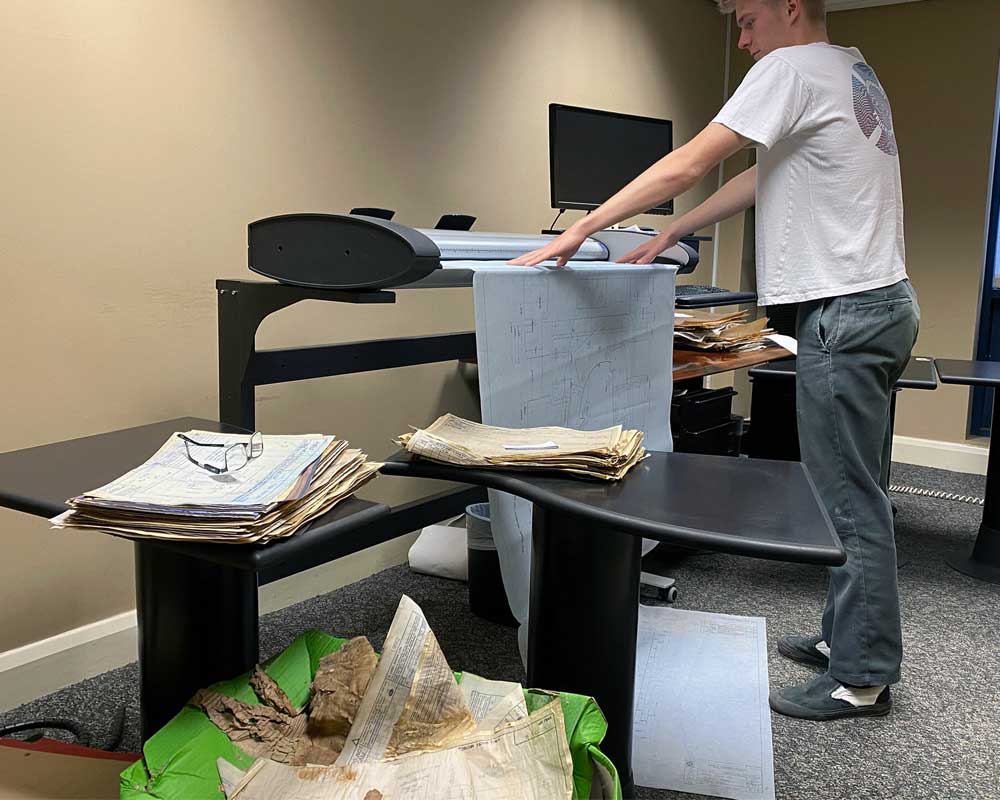
In late 2001, BMW sold BMH to David Bishop, Neil Morrick (a director from Unipart) and John Yea (who had been finance director of Rover Special Projects, in charge of the MG RV8 project). Through BMW’s deep-seated regard for BMH, and the relationship between BMH and BMIHT that BMW had benchmarked when creating their own heritage Mobile Tradition division, BMW were keen to ensure, as far as they could, the survival of BMH as a viable company. They saw the sale of BMH to Messrs. Bishop, Morrick and Yea as the very best chance for the company. During negotiations, BMW ensured that BMH’s role in licensing and policing of the heritage brands and logos would continue, retaining the company’s importance in that task and retaining that important link with the BMIHT.
And So To The Present
So, from the early years of the new century to the present, BMH has been an independent company, no longer part of Rover Group and only linked to BMIHT and the British Motor Museum by the need to license and police use of the heritage logos and brands. That doesn’t mean that they don’t occasionally work together and plan events together, and they still have to this day a strong friendship and regard for each other.
BMH has been through a couple of ownership changes, first in 2005 when David Bishop retired for the second time, as did Neil Morrick, with John Yea remaining solely at the helm. Fast forward to the present day, and BMH is once more in different ownership again, and now has its own portfolio of complementary brands and companies as it has sought to expand and strengthen its business. These brands are recognised and respected as quality standard bearers in classic car parts: Steelcraft, Tex Automotive, Concours Carpets, EBC Brakes and Coventry Hood & Tonneau.
Meanwhile, BMIHT has consolidated its place as the premier collection for Britain’s motor industry, and the largest collection in the world of cars built by Britain’s motor manfacturers, together with the associated archive, both recognised as of national significance. Significant developments at Gaydon came in 2015, with the building of the National Lottery-funded Collections Centre, designed to house the Trust’s reserve car collection, open to the public, as well as creating a brand new Workshop facility. Having been displaced from its home at Browns Lane, the Jaguar Daimler Heritage Trust also occupied a new gallery in the Collections Centre, reuniting cars that formed the original collection back in the days of Leyland Historic Vehicles. Completing the project, which included a major redevelopment of the Museum itself, the Heritage Motor Centre reopened in early 2016 with a fresh new name, what we know now as the wonderful, highly revered British Motor Museum.
This account of BMH and its links to the BMIHT and the British Motor Museum is dedicated to Peter Mitchell and the late David Bishop, without whose vision and passion it’s more than likely that most of the above would never have happened.
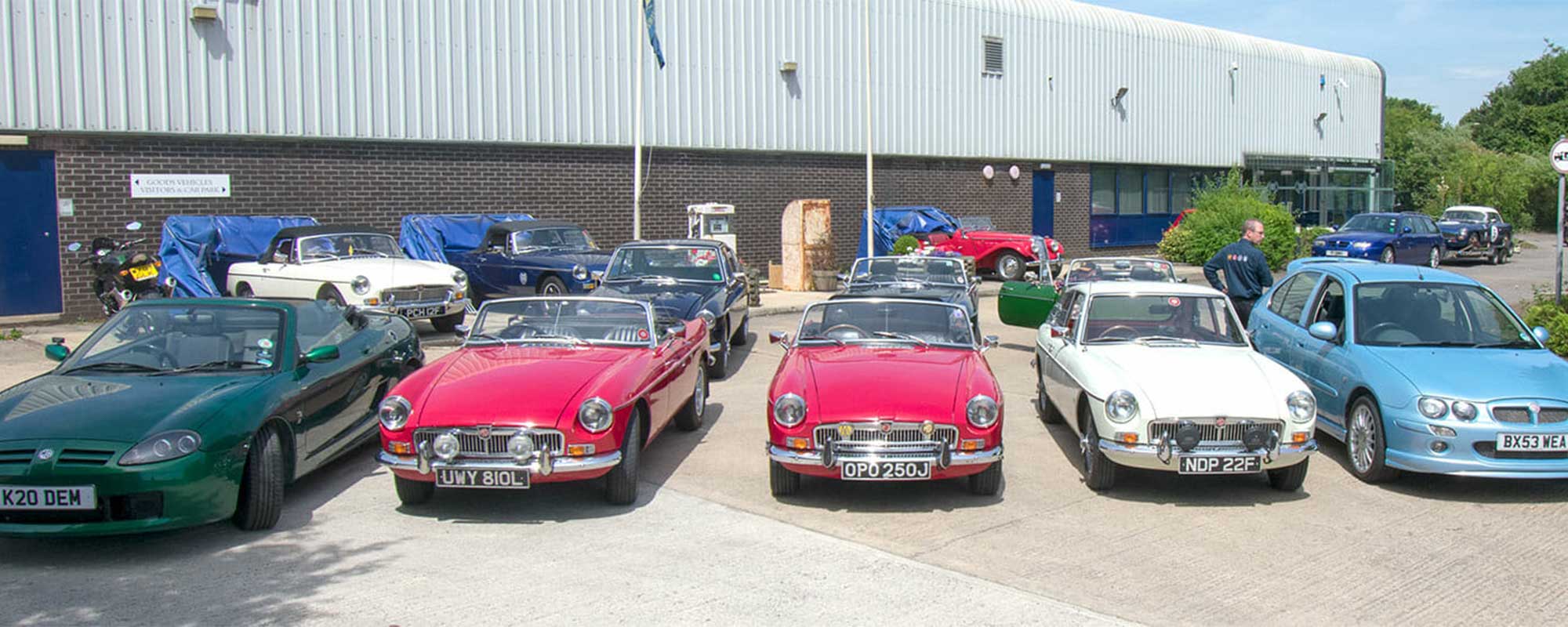
Key Dates in British Motor Heritage History
1968
Formation of British Leyland Motor Corporation (BLMC).
1975
Leyland Historic Vehicles created to oversee collections.
1979
Became BL Heritage Ltd.; collections housed at Studley Castle, archive at Donington Park.
1980
British Motor Heritage (BMH) formed to sell obsolete parts.
1983
Creation of the British Motor Industry Heritage Trust (BMIHT); commercial vehicle interests went to British Commercial Vehicle Museum Trust.
1990
Rover Group approved plans for the Heritage Motor Centre at Gaydon.
1993
Heritage Motor Centre opened (now the British Motor Museum).
1994
(Jan)
BMW bought Rover Group, including BMH and Gaydon site.
1996
BMH moved into its new factory at Witney, Oxfordshire.
2000
Breakup of Rover Group: BMW sold Rover (to Phoenix), Land Rover (to Ford), but retained BMH.
2001
(late)
BMW sold BMH to David Bishop, Neil Morrick, and John Yea, making it independent.
2005
David Bishop and Neil Morrick retired; John Yea remained as sole head.
2015
Heritage Motor Centre refurbished and renamed British Motor Museum.
2016
Opening of the Collections Centre at Gaydon.
Pete Taylor, Editor.
Back To News